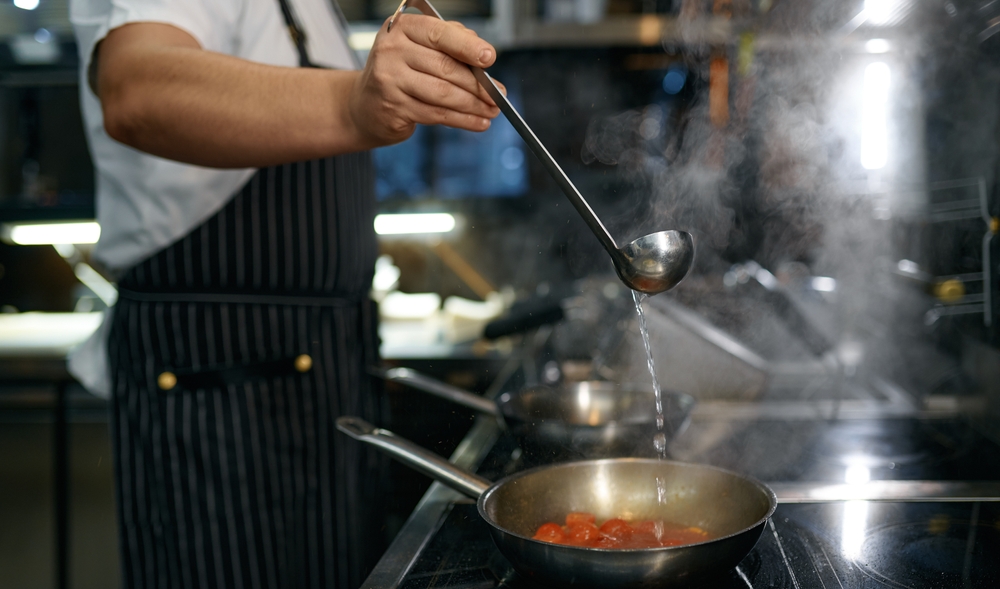
A cloud kitchen in Dubai is a delivery-only food business that requires a commercial trade licence from the Department of Economy and Tourism (DET) or a free zone authority, alongside a food establishment licence and approvals from Dubai Municipality. Startup costs typically range from AED 30,000 to AED 150,000, depending on the kitchen model chosen.
Dubai is one of the world’s most active cloud kitchen markets, and the numbers explain why. The UAE food delivery sector is projected to reach AED 20 billion by 2026, driven by a tech-savvy population that orders frequently and expects fast, reliable service. For food entrepreneurs, the model offers a compelling lower-cost route into that market: no dining room, no front-of-house staffing, and significantly less capital tied up in fitout compared to a traditional restaurant.
This guide covers everything needed to set up a cloud kitchen in Dubai: how the licensing works, what Dubai Municipality requires, which jurisdiction makes sense for your business type, what the realistic cost picture looks like, and where the common sticking points are. For anyone who’d rather move through the process with support, Creative Zone works with entrepreneurs and investors on food business setup across Dubai’s mainland and free zones every day.
What is a cloud kitchen and how does it work in Dubai?
A cloud kitchen (also referred to as a ghost kitchen, virtual kitchen, or dark kitchen) is a licensed commercial food preparation facility that operates exclusively for online delivery orders, with no dine-in space or walk-in customer access. The business exists entirely in the digital space from the customer’s perspective, while the physical operation runs from a kitchen that meets Dubai Municipality’s food safety and hygiene standards.
In practice, the model strips out everything a traditional restaurant carries (such as the fitout, the floor staff, the front-of-house overheads) and focuses the entire operation on food production and fulfillment. The sections below break down how that works operationally, the models available in Dubai, and why the city’s market conditions suit the format particularly well.
How the cloud kitchen model works
Customers place orders through food delivery platforms such as Talabat, Deliveroo, Careem, or Noon Food, and the kitchen receives those orders digitally through an integrated management system. From there, food is prepared, packaged, and handed to a delivery rider, with the full transaction (the ordering, payment, tracking, and feedback) handled entirely through apps. There is no customer-facing element at the kitchen itself; the address is operational, not commercial.
Cloud kitchen models available in Dubai
The main models in use across Dubai are the single-brand kitchen, where one concept operates from one kitchen with a fixed menu; the multi-brand kitchen, where several virtual food brands run from the same physical space and equipment; the shared kitchen, where operators rent a time slot or section within an already-approved, fully-equipped facility; and the kitchen aggregator model, where the operator rents space to other food businesses rather than running their own. The multi-brand model has become particularly popular in Dubai because it allows operators to test multiple concepts and maximise kitchen utilisation without taking on additional rent for each brand.
Why Dubai is well-suited to cloud kitchen businesses
Smartphone penetration in the UAE sits among the highest globally, and the population’s habit of ordering food through apps rather than dining out creates reliable, consistent demand for delivery-only operators. A diverse expatriate community spanning dozens of nationalities generates demand for a wide range of cuisines, which plays directly to the multi-brand model’s ability to serve different markets from one kitchen. On the business side, Dubai’s setup framework supports foreign entrepreneurs with 100% ownership rights. The city’s delivery logistics infrastructure (built out considerably over the past several years) means fulfillment is fast enough to sustain a competitive product.
What licence is required to start a cloud kitchen in Dubai?
Every cloud kitchen in Dubai (regardless of size or model) requires a commercial trade licence with food preparation and delivery activities explicitly listed, plus a food establishment licence from the Dubai Municipality Food Safety Department. Neither permit is optional, and the kitchen cannot legally prepare or sell food until both are in place. The subsections below cover each requirement in detail.
Commercial trade licence from DET or a free zone authority
The trade licence is the foundational business permit, issued by the Department of Economy and Tourism (DET) for mainland companies or by the relevant free zone authority for free zone setups. Food preparation and delivery must be explicitly listed as activities on the licence; a general trading licence without those specific activities does not cover cloud kitchen operations. The activity description also needs to align with the kitchen’s actual food concepts, so operators running multiple brands should confirm with the issuing authority how those are listed before submitting.
Food establishment licence from Dubai Municipality
The food establishment licence, issued by the Dubai Municipality Food Control Department, is a mandatory permit separate from the trade licence that legally authorises the kitchen to prepare and sell food. It cannot be obtained until the kitchen premises have passed a physical inspection covering hygiene standards, kitchen layout, ventilation, equipment specifications, and food safety compliance. Premises that fail inspection must address every flagged item before reinspection, so getting the fit-out right against Dubai Municipality’s requirements before booking the inspection saves considerable time.
HACCP certification
HACCP (Hazard Analysis and Critical Control Points) compliance is required for all commercial food operations in Dubai, and covers the documentation of food safety controls at every stage of preparation, storage, and packaging. It is not a one-time submission; the controls need to be operationally embedded and verifiable during inspection. All food handling staff are also required to hold valid food safety certificates issued by a Dubai Municipality-approved training provider, and those certificates must be current at the time of inspection.
Can a cloud kitchen operate from a home or residential premises?
Home kitchens are not permitted for commercial cloud kitchen operations in Dubai under UAE food safety and zoning regulations. All food preparation must take place within a licensed commercial kitchen that has passed Dubai Municipality inspection, and residential addresses will not be approved as a food establishment premises, regardless of the scale of the operation.
Mainland vs free zone: where should you set up a cloud kitchen?
For most cloud kitchen operators serving Dubai consumers through Talabat or Deliveroo, a mainland licence from the DET provides greater operational flexibility. The kitchen can be located anywhere in Dubai and serve any customer directly without the structural limitations that apply to free zone entities. Free zone setups offer genuine advantages on cost and ownership, but those need to be weighed against the market access restrictions that come with them. The comparison below covers both options, plus a third route that suits operators who aren’t ready to commit to a dedicated space.
Setting up a cloud kitchen on the mainland
A mainland licence gives cloud kitchen operators unrestricted access to the entire Dubai market, the freedom to locate the kitchen in any commercially zoned area, and the ability to trade directly with all UAE customers without intermediary arrangements. There are no delivery zone restrictions and no limitations on client type, which matters for operators planning to scale across multiple platforms or cuisine concepts. Trade and food licences for a mainland cloud kitchen typically range from AED 16,000 to AED 25,000 combined, depending on activity scope and the DET fee schedule at the time of application.
Setting up a cloud kitchen in a free zone
Free zone licenses come with 100% foreign ownership as standard, lower initial costs starting from approximately AED 12,500, faster application processing, and no corporate tax on qualifying income for eligible free zone entities. Dubai CommerCity, Dubai South, and Dubai Silicon Oasis are among the more relevant options for food-related business activities. The key limitation is market access: free zone companies cannot sell directly to Dubai mainland customers without a distributor arrangement or a registered mainland branch, which adds a layer of complexity that most delivery-dependent kitchens will find difficult to work around.
Shared kitchen facilities – a third option for new operators
Shared kitchen spaces (fully equipped, pre-approved commercial kitchens rented by the hour, shift, or month) offer the lowest-cost entry point for operators who want to test a concept before committing to a dedicated facility. Rental typically starts from AED 5,000 per month, and because the facility already holds its Dubai Municipality approvals, the regulatory burden on the individual operator is significantly reduced. For founders still refining their menu, their brand, or their delivery platform strategy, this route allows the business to generate revenue and prove the concept without the upfront capital a standalone kitchen requires.
What approvals are needed (municipality, food safety, etc.)?
A cloud kitchen in Dubai requires approvals from multiple government authorities beyond the trade licence, and all of them need to be in place before the kitchen can legally begin operations. The full list covers food safety, fire safety, tenancy registration, and tax compliance, each with its own sequence and prerequisites. Getting the order right from the start is what separates a straightforward setup from one that stalls at the approval stage.
Dubai Municipality food establishment licence and kitchen inspection
Municipality inspectors assess the kitchen layout, surface materials, drainage, ventilation, pest control measures, cold storage, and hygiene standards before the food establishment licence is issued. The fit-out needs to be complete before the inspection is booked; a partially finished space won’t pass, and anything flagged during the visit has to be rectified before the licence comes through. Fitting the kitchen to Dubai Municipality’s specifications from day one is considerably less expensive than having to redo work after a failed inspection.
HACCP compliance and food handler certification
The HACCP plan has to be documented and submitted to Dubai Municipality as part of the food licence application, with food safety controls mapped across every stage of preparation, storage, and packaging. Having it on paper isn’t enough: the controls need to be operationally in place and demonstrable when inspectors arrive. Food handlers also need to hold valid certificates from a Dubai Municipality-approved training provider before the kitchen opens; certificates from non-approved providers won’t satisfy the requirement.
Civil Defence approval
Commercial kitchen premises in Dubai require a Civil Defence inspection and clearance certificate before operations can begin. The inspection covers fire suppression systems, fire exits, smoke detectors, and extinguisher placement, and the premises need to be fully fitted before the assessment takes place. The clearance certificate is a hard prerequisite and is not a formality that can be resolved after opening.
Ejari registration
On the mainland, the kitchen tenancy contract must be registered through Ejari before the DET trade licence application can be submitted. Without a valid Ejari registration in the document pack, the application won’t be processed. Free zone operators follow the lease registration process set by their specific free zone authority rather than Ejari.
VAT and corporate tax registration
VAT registration with the Federal Tax Authority (FTA) becomes mandatory once annual taxable turnover exceeds AED 375,000. Corporate tax at 9% applies to profits above the same threshold, though free zone entities may qualify for a 0% rate on specific income streams if they meet the FTA’s qualifying income conditions. Both obligations apply whether the business is mainland or free zone, and the registration timelines are worth building into the setup plan early rather than treating them as an afterthought once the kitchen is running.
What are the costs of starting a cloud kitchen in Dubai?
Total startup costs for a cloud kitchen in Dubai range from approximately AED 30,000 for a shared kitchen arrangement to AED 150,000 or more for a dedicated private kitchen with a full fit-out. That range is wide because the model chosen at the outset determines almost every cost that follows. Founders who budget only for the licence fee consistently underestimate what’s actually involved: the breakdown below covers the full picture.
Trade licence and food establishment licence fees
On the mainland, the trade licence and associated food licence together typically cost between AED 16,000 and AED 25,000, while free zone options start from approximately AED 12,500, depending on the authority and activity scope. The food establishment licence from Dubai Municipality adds a further AED 5,000 to AED 10,000 on top of that, with the exact figure determined by kitchen size and the specific food activities being licensed. Both licences carry annual renewal fees, which need to be factored into the ongoing cost model from year one.
Kitchen rental costs
Shared kitchen rental starts from approximately AED 5,000 per month, which covers access to a pre-approved, fully equipped facility without the capital outlay of a standalone space. Dedicated commercial kitchens in areas such as Al Quoz, Ras Al Khor, or Deira typically range from AED 8,000 to AED 20,000 per month, depending on size and location. Operators moving from a shared to a dedicated space should also account for the Ejari registration, security deposit, and any landlord fit-out requirements that come with taking on a commercial lease.
Kitchen fit-out and equipment
Equipping a dedicated cloud kitchen with commercial-grade cooking, refrigeration, ventilation, and packaging equipment typically costs between AED 50,000 and AED 100,000. That figure can move significantly depending on the cuisine type and the number of brands being run from the space. The fit-out also has to meet Dubai Municipality’s specific requirements around layout, surface materials, and drainage before the inspection is booked, cutting costs on materials that don’t meet specification only means replacing them later before the licence can be issued.
Staff visas and food safety certifications
Each staff visa involves a government fee, medical testing, Emirates ID issuance, and health insurance; costs that typically run between AED 3,000 and AED 5,000 per person, depending on visa type and processing route. Food safety certification for each food handler adds a further AED 300 to AED 600 per person through a Dubai Municipality-approved training provider. For a kitchen running a small team of four to six people, staff-related setup costs can add AED 15,000 to AED 30,000 to the total before a single order is fulfilled.
Delivery platform commissions
Talabat, Deliveroo, and Careem charge commission rates of approximately 20% to 30% per order, which means a meaningful share of every transaction goes to the platform before any other cost is covered. These are ongoing operational costs rather than one-off setup expenses, and they need to be built into the pricing and margin model from the outset rather than treated as a variable to revisit later. Operators running multiple brands from one kitchen can offset some of the pressure by spreading fixed costs across higher order volumes, but platform commission remains one of the most significant recurring line items in the cloud kitchen P&L.
Step-by-step process to start a cloud kitchen business
Setting up a cloud kitchen in Dubai is a structured process that typically takes between four and six weeks from initial application to operational launch, provided all documents are complete and the kitchen is ready for inspection. The steps below follow the correct sequence: working through them out of order is one of the most consistent reasons timelines slip and costs increase.
Step 1 – Define your food concept and target market
Before any licence application is submitted or kitchen space is signed, the food concept and target market need to be clearly defined: the cuisine niche, the customer segment being served, and the delivery zones the kitchen can realistically reach from a given location. These decisions shape everything that follows, from the kitchen equipment list to the delivery platform strategy and the activity descriptions on the trade licence. If you’re working through this stage and want a clearer picture of how the concept affects the setup structure, Creative Zone’s team can walk you through the options before any commitments are made.
Step 2 – Choose your jurisdiction and legal structure
The choice between a mainland DET licence and a free zone setup determines market access, ownership structure, and the applicable regulatory pathway. For most cloud kitchen operators relying on direct delivery to Dubai consumers through Talabat, Deliveroo, or Careem, a mainland licence is the more practical option. Free zone structures suit operators whose business model doesn’t depend on unrestricted access to the local consumer market, or who are prioritizing lower initial licence costs and faster processing.
Step 3 – Reserve your trade name and obtain initial approval
The trade name must comply with UAE naming regulations: religious, political, and offensive terms are not permitted, and names that could be confused with existing registered businesses will be rejected. Initial approval from the DET or the relevant free zone authority needs to be secured before any further steps in the setup process can proceed. This approval is the formal green light to move forward, and the name registered at this stage will appear on all subsequent licensing documents.
Step 4 – Secure your kitchen premises and register your tenancy
Kitchen location should be selected based on delivery zone coverage and proximity to the target customer base, not rent alone; a cheaper space in the wrong area can limit platform ranking and increase delivery times in ways that directly affect order volume. Once the premises are secured, the tenancy contract must be registered through Ejari before the DET trade licence application can be submitted. The space also needs to meet Dubai Municipality’s physical requirements before fit-out begins, so a pre-inspection walkthrough against the specification checklist is worth doing before signing the lease.
Step 5 – Apply for the food establishment licence and pass inspection
The kitchen must be fully fitted, equipped, and HACCP-documented before the Dubai Municipality inspection is booked. The assessment covers the physical space in its operational state, not a work in progress. Passing on the first visit requires the layout, hygiene systems, surface materials, ventilation, and food safety records to all be in order simultaneously. Operators who treat the inspection as a checklist to work through in advance, rather than a threshold to clear on the day, consistently move through this step faster.
Step 6 – Obtain Civil Defence clearance
Civil Defence clearance is a mandatory prerequisite before the kitchen can begin operations, covering fire suppression systems, extinguisher placement, smoke detectors, and emergency exit compliance. The inspection requires the premises to be fully fitted, so it typically runs in close sequence with the Municipality inspection rather than before it. The clearance certificate issued at the end of this step is a required document in the final licensing pack.
Step 7 – Complete staff hiring, training, and certification
All food handlers must complete an approved food safety training program and hold valid Dubai Municipality-recognized certificates before the kitchen opens for orders. Staff visa costs (including medical testing, Emirates ID issuance, and health insurance) typically run between AED 3,000 and AED 5,000 per employee and need to be factored into the launch budget alongside the certification fees. For a kitchen launching with a team of four to six people, this step represents a meaningful share of the total setup cost and is worth planning for early.
Step 8 – Register on delivery platforms and launch
Each major platform (such as Talabat, Deliveroo, and Careem) has its own merchant registration process, brand profile requirements, and commission structure, and onboarding across all three takes longer than most operators expect. Menu photography, item descriptions, and pricing all affect platform ranking and conversion from day one, so investing in these before going live rather than updating them after launch makes a measurable difference. Platform algorithms reward new listings that generate strong early order volumes, which means the first few weeks of trading have an outsized effect on long-term visibility.
Key operational considerations (location, delivery platforms, staffing)
Licensing and setup get the kitchen open, but the long-term success of a cloud kitchen in Dubai depends heavily on three operational factors: kitchen location relative to delivery zones, how platforms are selected and managed day to day, and how efficiently the kitchen is staffed and run. Getting any one of these wrong tends to show up quickly in order volume, ratings, and margins. The sections below cover each area in practical terms.
Choosing the right location for delivery coverage
The best cloud kitchen locations in Dubai balance affordable commercial rent with proximity to high-density residential and business areas. Al Quoz offers strong central access across multiple neighborhoods, Deira provides a budget-friendly base with a large, diverse population catchment, and Business Bay generates reliable lunch and dinner demand from the surrounding commercial district. Platforms such as Talabat provide demand heatmaps that show where order volumes are highest by cuisine type and time of day; running that data before committing to a location is one of the more straightforward ways to reduce the risk of opening in the wrong spot.
Managing delivery platforms effectively
A live platform listing is not a passive asset. Menu optimization, response time, customer rating maintenance, and participation in platform promotions all affect ranking, and ranking directly affects how many customers see the brand in search results. Operators running multiple virtual brands from one kitchen need to treat each brand as a separate platform presence — with distinct photography, its own menu structure, and a professionally presented profile since platforms that detect low-quality or duplicated listings across brands from the same account can suppress visibility across all of them.
Staffing and kitchen operations
Core staffing for a cloud kitchen typically covers chefs, kitchen assistants, and packaging staff, with team size scaled to the number of brands being run and the expected peak order volume. Training needs to cover both food safety compliance and the speed and accuracy required during high-demand periods; a kitchen that passes its Municipality inspection but can’t fulfil orders consistently during the dinner rush will see its platform ratings drop quickly. The structural advantage is that cloud kitchens carry none of the front-of-house staffing costs that traditional restaurants absorb, which makes the per-order cost base significantly more efficient even before accounting for the lower rent.
Technology stack for cloud kitchen management
A Kitchen Display System manages incoming orders across multiple delivery platforms in real time, replacing the chaos of multiple tablets with a single, prioritized order queue that the whole kitchen can work from. A point-of-sale system integrated with Talabat, Deliveroo, and Careem consolidates sales data across platforms and simplifies end-of-day reconciliation. Inventory management software sits alongside these to track ingredient usage, flag waste, and keep food costs within the margins the business model depends on — particularly important when platform commissions are already taking 20% to 30% of every order.
Common mistakes to avoid when setting up a cloud kitchen
The most costly mistakes in cloud kitchen setup are overwhelmingly avoidable: typically involving skipped compliance steps, poor location decisions, or startup costs that weren’t fully mapped out before the money was spent. None of them is difficult to anticipate with the right preparation, but each one has a predictable consequence that takes longer and costs more to fix after the fact than it would have to avoid in the first place.
Treating compliance as a formality
Cloud kitchens are regulated exactly like any other commercial food establishment in Dubai, and the full suite of approvals (including trade licence, food establishment licence, HACCP certification, Civil Defence clearance) must be in place before a single order is fulfilled. Operating without them risks fines, forced closure, and removal from delivery platforms, all of which are considerably harder to recover from than simply getting compliant from the outset. Dubai Municipality and the delivery platforms themselves have enforcement mechanisms, and neither treats an incomplete compliance file as a minor administrative oversight.
Choosing a location based only on rent
A cheaper kitchen space that sits outside the natural delivery radius of the target customer base creates a problem that rent savings won’t offset. Longer delivery times mean food arrives cold, cold food generates negative reviews, and negative reviews push platform ranking down in ways that suppress future order volume. Location decisions should be made against delivery zone data first, with rent as a secondary consideration rather than the lead one.
Underestimating total startup costs
Budgeting only for the licence fee while overlooking kitchen fit-out, equipment, Municipality approval costs, staff visas, food safety training, platform onboarding, and initial inventory is one of the most consistent patterns among cloud kitchen founders who run into cash flow problems in the first quarter. The licence is one line item in a startup cost structure that can reach AED 150,000 or more for a dedicated kitchen setup. Building the full picture before committing to a space or a jurisdiction is the only way to know whether the business is adequately funded for launch.
Launching with a menu that is too broad
A delivery-optimized menu should be focused, consistent in quality at speed, and tested before going live on any platform. Broad menus increase prep complexity, push up food waste, and make it significantly harder to maintain quality and speed during peak hours when order volume spikes. Starting with a tight, well-executed selection and expanding once the kitchen’s operational rhythm is established is a more reliable path to strong early ratings than launching with range and hoping the execution follows.
Ignoring platform commission costs in the pricing model
With platform commissions running at 20% to 30% per order, menu pricing needs to account for that deduction before any other cost is covered. Many new operators underprice at launch, often to compete on visibility, and find the margin position unsustainable once order volumes increase and the commission impact compounds. The pricing model needs to work at scale, not just at low volumes, and that calculation should be done before the menu goes live, rather than revised after the first month’s platform statement arrives.
Not building a direct ordering channel
Relying entirely on Talabat, Deliveroo, and Careem for all order volume means handing 20% to 30% of every transaction to a third party indefinitely, with no direct relationship with the customer on the other end. A branded website or app with a direct ordering option reduces that dependency over time, protects margins on a growing share of orders, and gives the business a customer database it actually owns. Building that channel doesn’t need to happen at launch, but leaving it off the roadmap entirely is a structural weakness that becomes more expensive to address the longer it’s left.
About Creative Zone
Creative Zone is one of the UAE’s most experienced and trusted business setup specialists, with over a decade of helping entrepreneurs across the food and beverage sector (and beyond) navigate the full licensing, approval, and compliance process in Dubai and across the UAE. From business setup in Dubai through to food establishment licence applications, Municipality approvals, and ongoing PRO services, the team works across mainland and free zone authorities every day on behalf of founders who want the process handled correctly from the start.
Contact Creative Zone today for personalized guidance on obtaining the right licence, securing the required approvals, and launching your cloud kitchen business in Dubai with confidence.
Frequently asked questions
Is a cloud kitchen profitable in Dubai?
Cloud kitchens can be highly profitable in Dubai given the city’s strong delivery demand, though margins depend on platform commission management, kitchen utilization, and menu pricing.
What licence do I need to start a cloud kitchen in Dubai?
A commercial trade licence from the DET or a free zone authority, plus a food establishment licence from Dubai Municipality, are both required before a cloud kitchen can legally operate.
Can I run multiple food brands from one cloud kitchen in Dubai?
Yes, the multi-brand model is widely used in Dubai and allows several virtual food concepts to operate from a single licensed kitchen and equipment setup.
How long does it take to set up a cloud kitchen in Dubai?
With complete documentation and a kitchen ready for inspection, the process typically takes between four and six weeks from initial application to operational launch.